
When it comes to laptops, the exterior design often steals the spotlight, and for good reason. After all, who wouldn’t want a sleek, stylish device that makes a statement? It’s like dressing for success but in the tech world. A laptop’s look can say a lot about its owner—are they a trendsetter or a techie in need of a makeover?
But it’s not just about aesthetics. The right exterior design can enhance durability and functionality, making it as practical as it is pretty. From eye-catching colors to innovative materials, laptop design is a blend of art and engineering that can elevate the user experience. So, let’s dive into the world of laptop exteriors and discover how form meets function in this ever-evolving tech landscape.
Overview of Laptop Exterior Design
Laptop exterior design encompasses various elements that contribute to both visual appeal and functionality. Material choice significantly impacts a laptop’s durability and aesthetic. Common materials include aluminum, plastic, and carbon fiber, each providing unique benefits.
Color options also play a vital role in design. Consumers often prefer sleek finishes such as matte or glossy surfaces, which enhance the overall look and feel. Texture can improve grip and aid in heat dissipation, affecting user comfort during extended use.
Form factor influences portability and ergonomics. Designers optimize size and weight to cater to mobile users who require lightweight yet robust devices. Additionally, thinner profiles continue to trend, appealing to those favoring minimalistic designs.
Performance factors include cooling solutions and ventilation systems, which are integral to a laptop’s exterior. Manufacturers often incorporate strategically placed vents to maximize airflow and prevent overheating. This aspect highlights the blend of art and engineering in design.
Brand identity emerges through distinct design languages. Companies differentiate their products using signature styling elements, logo placements, and color schemes. This branding not only helps consumers identify products but also communicates quality and innovation.
User experience remains a central focus in laptop exterior design. Intuitive design elements, such as keyboard layout, touchpad placement, and port accessibility, enhance usability. Each factor aligns with the goal of creating a cohesive and satisfying user interaction.
Trends in laptop design evolve constantly, responding to advancements in technology and user preferences. As users become more discerning, manufacturers continuously refine aesthetics and functionality to meet market demands. The ongoing evolution of laptop exterior design reflects the dynamic relationship between technology and personal expression.
Key Elements of Laptop Exterior Design
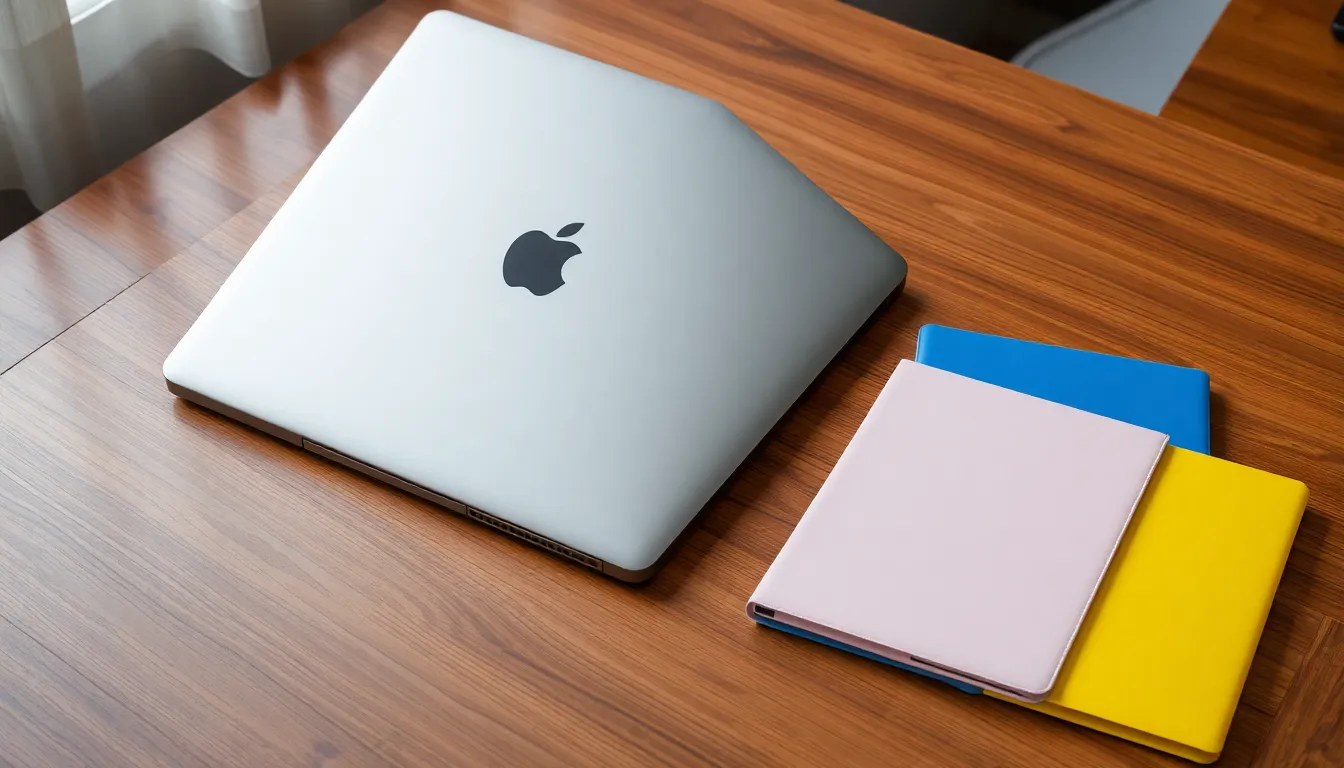
Laptop exterior design comprises several critical components that enhance both aesthetics and functionality. Understanding these elements helps in choosing a laptop that matches individual preferences and requirements.
Materials Used in Laptop Exteriors
Aluminum ranks high among popular materials due to its lightweight nature and durability. Carbon fiber offers an appealing alternative, combining strength with a premium look. Plastic remains prevalent as well, favored for its cost-effectiveness and variety of colors. Each material impacts the laptop’s overall robustness and can influence its thermal management. Manufacturers often choose a combination of materials to achieve a balance between performance and style.
Color and Finish Options
Color options significantly shape a laptop’s appeal. Matte finishes tend to reduce glare and provide a sleek look, while glossy finishes enhance vibrancy. Manufacturers explore diverse color palettes ranging from muted tones to bold shades, enabling personalization. Texture also plays a role; soft-touch coatings can improve grip and comfort, while brushed metal creates an industrial feel. Choices in color and finish reflect user identity and contribute to the overall experience of using the device.
Popular Laptop Exterior Designs
Laptops today feature various exterior designs that resonate with users’ preferences. These designs range from sleek aesthetics to rugged durability, each offering unique benefits.
Sleek and Minimalist Designs
Sleek laptop designs emphasize simplicity and elegance. They often showcase clean lines and muted colors, appealing to professionals and creatives alike. Manufacturers frequently use aluminum or carbon fiber to achieve a lightweight, sophisticated look. Matte finishes enhance the visual appeal while reducing glare. Minimalist designs prioritize portability, with many models under 0.7 inches thick. Users appreciate the understated elegance, making these laptops ideal for environments like coffee shops and offices.
Durable and Rugged Styles
Durable laptop designs cater to users who need extra protection. These styles often feature reinforced materials like rugged plastic or aluminum. Enhanced shock resistance safeguards against drops and bumps during travel. Additionally, many rugged laptops include spill-resistant keyboards, providing increased reliability. Body designs may incorporate rubberized edges for improved grip and durability. Professionals in fields like engineering or outdoor work typically prefer these options for their robustness. Trendy designs can still resonate, blending functionality with style without sacrificing performance.
Influence of Laptop Exterior Design on User Experience
Laptop exterior design significantly affects user experience. A visually appealing laptop can foster pride in ownership and enhance personal expression. Owners often choose laptops that align with their style, creating a connection between the device and the individual.
Durability is another vital aspect of exterior design. Material choices impact not only aesthetics but also the lifespan of the laptop. For instance, aluminum offers both strength and a modern look, enhancing the user’s confidence in the product. Carbon fiber, known for its lightweight and robust characteristics, attracts those seeking a premium feel. Plastic provides an affordable option with diverse color choices, allowing customization.
Textures also influence user comfort. Devices with smooth finishes offer a sleek grip, reducing slips during use. Conversely, textured surfaces provide a better hold, particularly useful in portable devices.
Color options hold significance for personal branding. Bright colors can make a statement, while matte finishes create a sophisticated appearance. Glossy finishes may impact glare, leading to preferences based on different environments.
Form factors reflect ergonomic considerations, with an emphasis on portability. Thinner models appeal to users valuing mobility, enabling ease of transport. Brands intentionally design products with a blend of aesthetics and functionality, ensuring that users feel respected in their choices.
Cooling solutions feature prominently in design discussions. The placement of ports and ventilation helps maintain optimal performance, directly impacting user satisfaction. Efficient designs prioritize airflow without compromising sleekness.
Brand identity plays a crucial role in how users perceive product quality. Unique design languages help brands stand out, communicating their values through visuals. A strong exterior presence can instill confidence and loyalty in consumers.
Overall, laptop exterior design profoundly shapes user experience, influencing perceptions of value, effectiveness, and individuality.
Emerging Trends in Laptop Exterior Design
Innovative materials increasingly shape laptop exterior design. Companies experiment with sustainable options, such as recycled plastics and bio-based materials. These options not only enhance durability but also appeal to environmentally conscious consumers.
Perhaps one of the most notable trends is the rise of customizable laptop exteriors. Users can personalize colors and finishes, allowing for unique expressions of style. Furthermore, modular designs are gaining traction, enabling users to upgrade components without replacing the entire device.
Another essential aspect is the integration of textures that enhance grip and comfort. Textured finishes are becoming more popular, providing a tactile experience that contrasts with smooth surfaces. This tactile approach improves usability and adds a sensory dimension to laptop interactions.
Slimmer profiles define current trends, as manufacturers strive to balance aesthetics with functionality. Thinner designs now house powerful components while maintaining portability. Additionally, multi-functional designs are emerging, with laptops incorporating built-in styluses, or adjustable screens to cater to various user needs.
The development of advanced cooling systems also plays a significant role in exterior design. Smart ventilation keeps laptops performing efficiently without compromising visual appeal. Companies place vents strategically to sustain sleekness while ensuring optimal airflow.
Distinct brand identities manifest in unique exterior aesthetics. Companies rely on recognizable design languages to foster brand loyalty. As a result, consumers associate specific designs with quality and reliability.
Sustainability, customization, and functionality dominate the current landscape of laptop exterior design. These trends not only reflect technological advances but also address diverse user preferences.
The exterior design of laptops plays a pivotal role in shaping user experience and personal expression. As technology advances, manufacturers continually innovate to meet the demands of style and functionality. The choice of materials color options and textures not only enhances durability but also reflects individual preferences and lifestyles.
With trends leaning towards sustainability and customization users can expect a more personalized approach to laptop design. As sleek and rugged styles evolve they cater to a diverse range of needs while maintaining a focus on performance. Ultimately the intersection of aesthetics and engineering in laptop exteriors will continue to influence consumer choices and brand loyalty in the ever-changing tech landscape.