
In the world of skincare, Aquaphor often gets tossed around like a superhero cape—promising to save dry skin from the villainous forces of winter air and harsh elements. But is this trusty ointment really worthy of a spot on your face? With its thick, gooey texture, it might seem more suited for a first-aid kit than a beauty routine. Yet, many swear by its hydrating powers, claiming it transforms parched skin into a dewy masterpiece.
Before slathering it on like frosting on a cake, it’s essential to dig a little deeper. Is Aquaphor truly a miracle worker for facial skin, or just a slippery slope to breakouts? Let’s unravel the mystery behind this beloved balm and discover if it’s the secret weapon your skincare arsenal needs or just another overhyped product.
Overview of Aquaphor
Aquaphor is a popular multipurpose ointment designed to moisturize and protect dry skin. Known for its ability to lock in moisture, it often treats various skin issues, including chapped lips, minor cuts, and dry patches. The primary ingredients include petrolatum, which forms a barrier on the skin, and other components like glycerin that help draw moisture in.
Users commonly trust Aquaphor for its effective hydration properties. It works on both the hands and face, catering to different skin types. Many dermatologists recommend it for dry areas due to its occlusive nature; however, they also advise caution for acne-prone skin. The thick consistency can potentially clog pores, triggering breakouts in sensitive individuals.
Aquaphor provides benefits during harsh weather conditions. It forms a protective layer against wind and cold, especially beneficial for dry, winter months. This ointment is often included in skincare regimens focused on moisture retention. Its soothing aspects make it suitable for use on compromised skin as well.
Ingredients play a crucial role in its effectiveness. The absence of fragrances and preservatives makes it safe for various skin types. When considering its application on the face, benefits must be weighed against possible drawbacks. As with any skincare product, conducting a patch test is recommended to avoid adverse reactions.
Aquaphor’s versatility enhances its appeal, allowing users to address multiple skin concerns with one product. Individuals seeking to improve skin hydration may find Aquaphor a valuable addition to their beauty routine. Its reputation for effective moisture retention continues to drive interest among skincare enthusiasts.
Benefits of Using Aquaphor on the Face
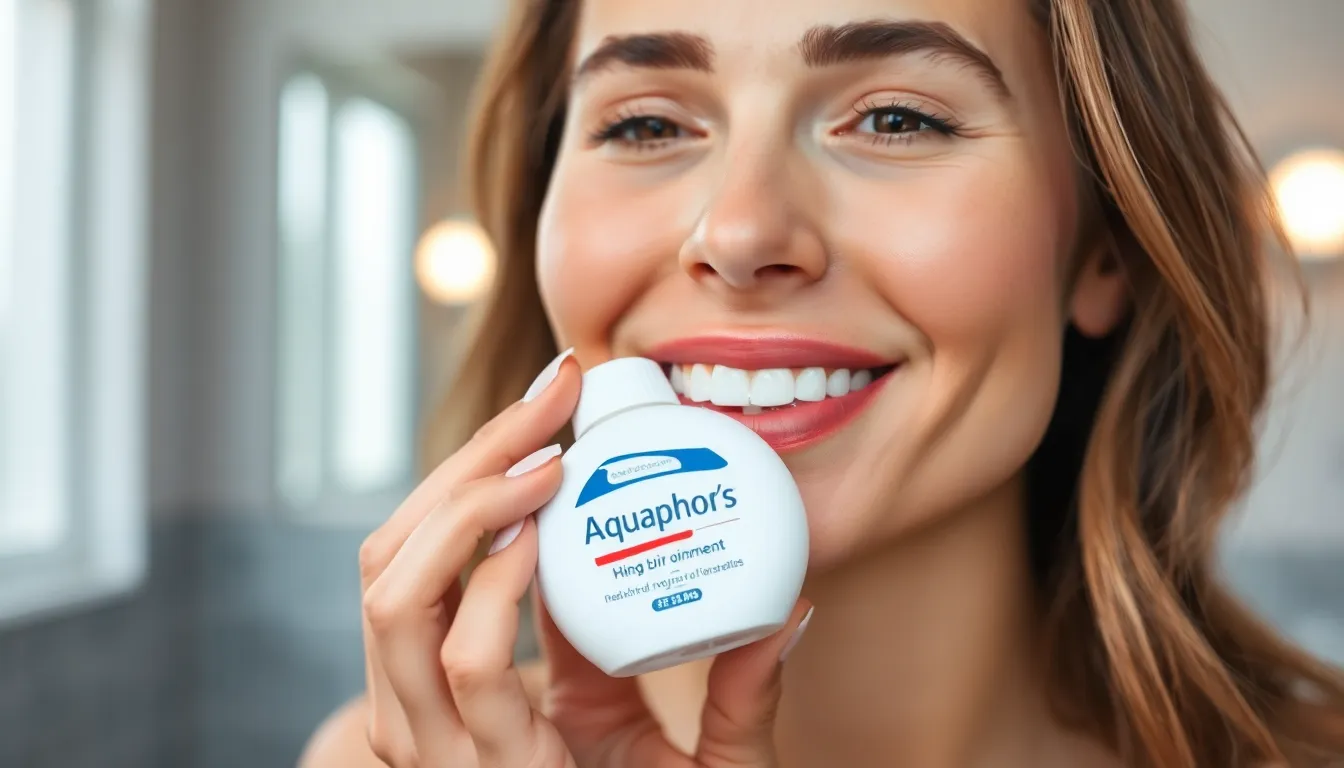
Aquaphor offers various benefits for facial skin. Its formulation addresses common skincare needs, making it a popular choice for many individuals.
Moisturization Properties
Aquaphor excels at moisturizing the skin. Ingredients like petrolatum and glycerin form an occlusive barrier. This barrier locks in moisture effectively, which is especially beneficial in dry climates or during winter months. Users often report significant improvements in skin hydration after using Aquaphor regularly. Due to its thick consistency, it provides long-lasting hydration. Those with dry or sensitive skin particularly appreciate its soothing effects.
Healing Abilities
Aquaphor possesses impressive healing properties. It aids in the recovery of minor cuts and chapped skin. The ointment promotes healing by creating a protective layer over damaged areas, allowing the skin to breathe while also keeping out irritants. Many dermatologists recommend it for soothing irritation and accelerating healing processes. This ability to heal extends to conditions like eczema or skin abrasions. Users often note a reduction in redness and discomfort after applying Aquaphor, making it a trusted option for many skincare routines.
Potential Drawbacks
While Aquaphor offers many benefits, some potential drawbacks exist that users should consider.
Acne Breakouts
Acne breakouts are a common concern for those with oily or acne-prone skin. The thick, occlusive nature of Aquaphor can lead to clogged pores, resulting in unwanted blemishes. Many dermatologists advise caution when using this product on facial areas with a high likelihood of breakouts. Some individuals notice increased acne flare-ups after applying Aquaphor, particularly if they don’t cleanse their skin properly. Users prone to acne may find lighter moisturizers more suitable for their skincare routine.
Heavy Texture
The heavy texture of Aquaphor can feel uncomfortable on the face for some individuals. This ointment’s thickness can leave a greasy residue, which may not be ideal for all skin types. Users who dislike feeling heavy products on their skin might prefer lighter alternatives. Many appreciate a more lightweight moisturizer that absorbs quickly without leaving a slick finish. Considering this can enhance the overall experience for those adjusting their skincare regimen.
How to Use Aquaphor on the Face
Using Aquaphor effectively on the face involves specific techniques to maximize benefits while minimizing potential drawbacks. Proper application ensures optimal hydration without the risk of breakouts.
Application Tips
Start with clean, dry skin to prepare for Aquaphor’s moisturizing effects. Apply a thin layer to areas requiring hydration, such as dry patches or irritated spots. Focus on small amounts, as less can prevent clogging pores. For targeted use, consider placing it on areas experiencing irritation. Avoid excessive rubbing to maintain skin integrity. Reapply as needed, particularly in harsh weather, to maintain protection. Applying it at night promotes deeper absorption and healing. Always do a patch test first to check for any adverse reactions.
Recommended Products
Aquaphor Healing Ointment serves as the primary option for facial use. This ointment is fragrance-free and ideal for sensitive skin types. For those needing a lighter formula, consider searching for lighter gels or lotions that contain similar hydrating ingredients. Looking for products with hyaluronic acid or ceramides can complement Aquaphor use. These ingredients enhance moisture retention and improve skin texture. Always opt for products tested and recommended by dermatologists for the best results in skincare routines.
Personal Experiences and Testimonials
Users often share positive experiences with Aquaphor for facial care. Many highlight its ability to provide intense hydration, especially during the winter months when skin feels dry. Individuals with sensitive skin frequently report that it soothes irritation and accelerates healing.
Those dealing with chapped skin or minor cuts find Aquaphor particularly beneficial due to its protective barrier. A common observation involves using the ointment as an overnight treatment, resulting in noticeably softer skin by morning. For dry patches, several users confirm that a small amount effectively restores moisture without causing additional irritation.
However, some testimonials caution against its use for acne-prone individuals. They describe instances where the thick consistency led to breakouts. Preparations vary; while some enjoy its heaviness, others prefer lighter moisturizers.
Users often recommend patch testing before widespread application, especially for those new to the product. This suggestion arises from concerns about potential reactions, even though Aquaphor lacks fragrances and preservatives. Many dermatologists’ recommendations reinforce the positive feedback, suggesting the ointment for combating dryness and promoting skin recovery.
For application, individuals advise starting with clean, dry skin and applying a thin layer only to affected areas. Reapplication holds importance during harsh weather conditions. Gels or hydrating lotions remain popular alternatives for those seeking lighter formulations.
The collective experiences paint a nuanced picture of Aquaphor’s effectiveness, with a balance of benefits and cautionary advice emerging from user testimonials.
Aquaphor can be a valuable addition to a skincare routine for those seeking intense hydration and protection from harsh elements. Its ability to lock in moisture and aid in healing makes it particularly beneficial for dry or sensitive skin. However, individuals with acne-prone or oily skin should exercise caution due to its thick consistency, which may lead to breakouts.
Ultimately, personal experiences vary, and patch testing is recommended before widespread use. By applying a thin layer to clean skin and monitoring reactions, users can determine if Aquaphor is the right choice for their facial care needs. Balancing its strengths and potential drawbacks will help individuals make informed decisions about incorporating this versatile ointment into their beauty regimen.